October 5, 2026
Choosing an engagement ring is an important decision because the piece often carries emotional meaning in addition to financial value. The process can involve much more than simply picking a stone and setting that look attractive. Buyers may need to think about personal style, daily habits, budget, metal preferences, stone shape, maintenance, and how the ring will pair with a future wedding band. Taking time to consider these factors can make the selection process feel more manageable and reduce the likelihood of choosing something that does not fit the wearer's lifestyle or preferences. Whether the decision is made independently or with input from a partner, asking the right questions can help narrow the options and make the final choice feel more thoughtful.
1. What Style Best Matches Their Personality?
Personal style is one of the best places to begin because an engagement ring is likely to be worn frequently and for many years. Some people prefer simple designs with clean lines, while others are drawn to detailed settings, vintage-inspired features, or more distinctive shapes. Looking at the jewelry someone already wears can provide useful clues. If most of their pieces are understated, a highly ornate ring may feel out of place. If they regularly choose bold accessories, a more elaborate design may be a better fit.
It can also help to think about clothing preferences, favorite colors, and whether the person tends to follow trends or stick with timeless looks. A ring should feel connected to the wearer's overall sense of style rather than chosen only because a particular design is currently popular. An engagement ring that reflects familiar preferences is more likely to feel natural and personal. Buyers who are uncertain may benefit from comparing several styles side by side to see which details consistently stand out.
2. What Budget Feels Comfortable?
Setting a realistic budget can make the shopping process more focused and less stressful. Engagement jewelry is available across a wide range of price points, and there is no single amount that every buyer needs to spend. Rather than relying on outdated rules about salary or expectations, it is usually more practical to consider current finances, savings goals, other major expenses, and what amount can be spent without creating unnecessary strain.
According to The Knot, approximately 54% of surveyed proposers took one to four months to choose and purchase a ring, while 25% spent even longer on the process. That timeline suggests many buyers take time to compare options rather than making an immediate decision. Establishing a budget early can help narrow choices among stones, settings, metals, and design features. It can also make discussions with a jeweler more productive because recommendations can be tailored to a clear price range.
3. What Stone Shape Feels Most Appropriate?
The shape of the center stone can have a major effect on the overall appearance of a ring. Round stones remain a familiar choice, but oval, cushion, emerald, pear, marquise, princess, and other shapes can create very different visual effects. Some shapes appear more traditional, while others may feel more modern or distinctive. Finger shape, hand size, and personal taste can all influence which option looks most appealing when worn.
Buyers should also consider how the stone shape interacts with the setting. Certain shapes may work especially well with halos, side stones, or simple solitaire designs. An engagement ring with an elongated stone can create a different look than one with a compact, symmetrical center. Trying on different shapes can be useful because a style that looks appealing in photographs may feel different on the hand. Comparing proportions in person can make it easier to identify a shape that suits both the wearer and the overall design.
4. What Metal Works Best for Everyday Wear?
The metal used for the band affects appearance, durability, maintenance, and how the ring coordinates with other jewelry. Common choices include yellow gold, white gold, rose gold, and platinum, each of which has a distinct look. Some people prefer the warmth of yellow or rose tones, while others favor the cooler appearance of white metals. Existing jewelry can offer helpful guidance, especially if the wearer consistently chooses one metal color.
Daily habits may also influence the best choice. Someone who works frequently with their hands may want a metal and setting that can hold up well under regular wear. Maintenance preferences matter too, since different metals can develop scratches, patina, or changes in appearance over time. An engagement ring should ideally combine the visual qualities the wearer likes with practical features that suit daily life. A jeweler can explain how different metals wear and what care each option may require.
5. What Setting Fits Their Lifestyle?
The setting determines how the center stone is held and can influence both appearance and practicality. High-profile settings can make a stone stand out more prominently, while lower-profile designs may sit closer to the finger and feel less likely to catch on clothing or objects. Someone with an active lifestyle, hands-on occupation, or frequent use of gloves may prefer a design that offers a more streamlined profile.
The amount of metal surrounding the stone can also affect security and maintenance. Prong settings allow more of the stone to remain visible, while bezel or other enclosed designs can offer additional protection around the edges. Choosing an engagement ring with the wearer's daily routine in mind can help reduce inconvenience later. The best setting is not necessarily the most elaborate one, but the one that balances appearance, comfort, and practicality for the person who will wear it.
6. What Size and Fit Will Be Most Comfortable?
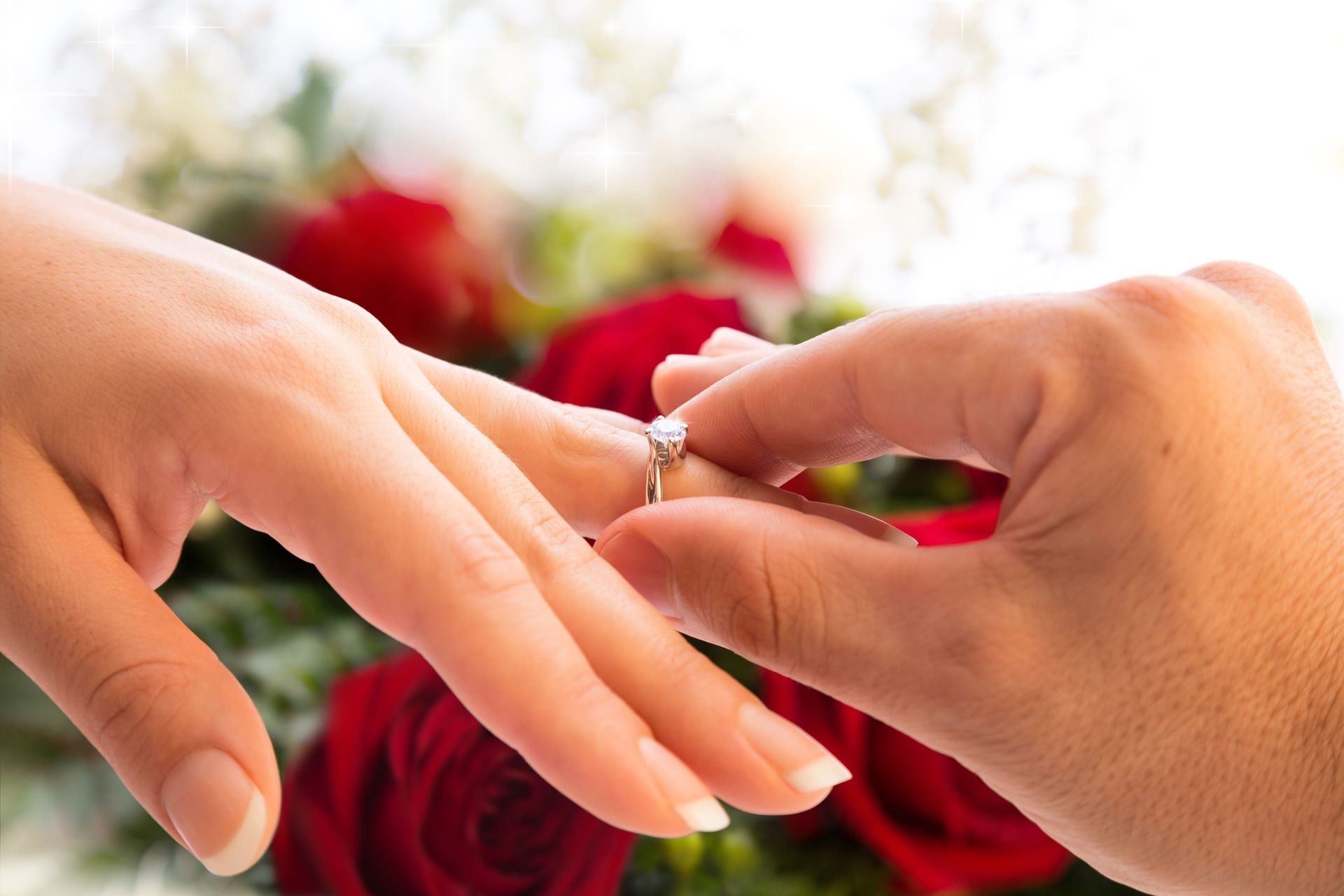
Ring size is an important consideration because a piece that is too loose may rotate or slip off, while one that is too tight can become uncomfortable. Finger size can also change slightly with temperature, activity, and time of day, so accurate sizing is helpful. If the purchase is intended to be a surprise, buyers may need to gather sizing information discreetly by borrowing an existing ring or asking someone close to the recipient for help.
Band width can affect fit as well. Wider bands may feel tighter than narrow ones, and some designs may require small adjustments to achieve a comfortable fit. An engagement ring should sit securely without feeling restrictive. Buyers should also ask whether the design can be resized later, since certain settings or bands may have limitations. Planning for fit from the beginning can help avoid unnecessary adjustments after the proposal.
7. What Will Pair Well With a Wedding Band?
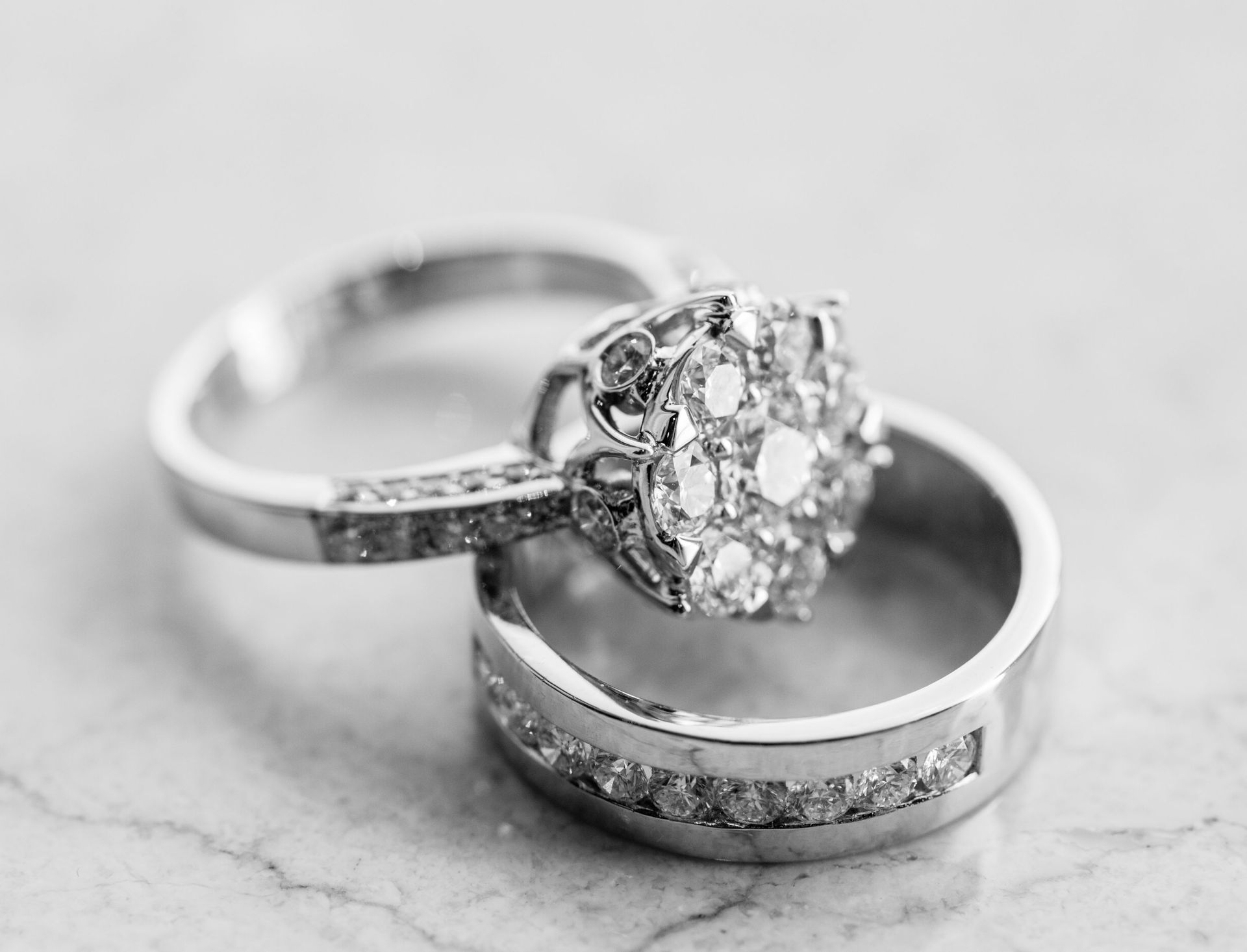
It is useful to think beyond the engagement jewelry itself and consider how it may look with a future wedding band. Some settings sit flush against straight bands, while others may require a contoured or custom-shaped band because of the height or width of the setting. Buyers do not necessarily need to choose both rings at the same time, but understanding how they may work together can prevent compatibility issues later.
An engagement ring with a distinctive profile, large center setting, or unusual band shape may look best with a complementary design created specifically for it. Some people prefer a perfectly matched set, while others enjoy combining contrasting metals, textures, or widths. Thinking about the future pairing can help buyers choose a design that offers flexibility. A jeweler can also demonstrate different band combinations so it is easier to visualize how the rings may look when worn together.
Choosing an engagement ring becomes easier when the decision is broken into practical questions about style, budget, stone shape, metal, setting, comfort, and future pairing. Each of these factors can influence how the ring looks, feels, and fits into everyday life, so taking time to think through them can lead to a more confident choice. The goal is not simply to select an attractive piece, but to choose something that reflects the wearer's personality and works well with their habits and preferences. Comparing options carefully and seeking professional guidance when needed can make the process more organized and meaningful. For help finding a ring that suits your budget, style, and long-term plans, contact Gold Time.